
Let’s Grow South Africa Together
Government Jobs
Are you looking for a job opportunity at a South African Government Department, Provincial Department, Municipality or State-owned Entity? You came to the right place, go ahead, check out the available job listings below. We list everything from DPSA Vacancies, Municipality Vacancies and SOE Vacancies, very easy to search and apply for.
Your career in government starts here
The South African government is one of the country’s largest employers, offering thousands of vacancies across national, provincial and local departments every year. Whether you are a recent matriculant, a graduate, or an experienced professional, a public sector career offers stability, purpose and the chance to make a real difference in communities across South Africa.
~44 National departments
National government departments covering every sector of public service, from health and defence to home affairs and public works. Jobs from the weekly DPSA Vacancies list can be found on the site.
296 Provincial departments
Spread across South Africa’s 9 provinces, covering education, health, agriculture, transport and more at a regional level.
257 Municipalities
Including 8 metropolitan, 44 district and 205 local municipalities, delivering water, sanitation, roads and community services. Find your ideal Municipality vacancies here.
~700 State-owned entities
Public entities across all spheres — from Eskom, PRASA and Transnet to development finance institutions and research councils. Find a dream SOE vacancy here.
SA gOVERNMENT ENTITIES
- Agricultural Sector Education and Training Authority
- Bergrivier Municipality
- Border Management Authority
- Breede Valley Municipality
- Bushbuckridge Local Municipality
- Cape Town International Convention Centre
- Chemical Industries Education and Training Authority
- City of Ekurhuleni
- COGTA
- Collections & Digitisation Department
- Department of Agriculture
- Department of Employment and Labour
- Department of Health
- Department of Home Affairs
- Department of Land Reform and Rural Development
- Department of Social Development
- Department of Transport
- Department of Water and Sanitation
- Department of Women, Youth and Persons with Disabilities
- Dr Beyers Naude Local Municipality
- Durban University of Technology
- ecic
- Enterprise iLembe
- Fiber Processing and Manufacturing Sector Education and Training Authority
- financial-sector-conduct-authority
- Gauteng - Education
- Gauteng Growth and Development Agency (GGDA)
- gauteng-tourism-authority
- gems
- Government Printing Works
- Hessequa Municipality
- Interfront
- Judicial Inspectorate For Correctional Services (JICS)
- Kgatelopele Local Municipality
- King Sabata Dalindyebo Local Municipality
- Kwazulu Natal - Health
- Limpopo - Health
- Makhuduthamaga Local Municipality
- Mangosuthu University of Technology
- Municipal Infrastructure Support Agent
- National Consumer Tribunal
- National Electronic Media Institute of South Africa
- National Treasury
- Ndlambe Local Municipality
- North West University
- north-west-social-development
- Office of the CEO Department
- Office of the Chief Justice
- Office of the Ombud for Financial Service Providers
- Research & Exhibitions Department
- South African Broadcasting Corporation Limited
- South African National Energy Development Institute
- South African National Parks
- South African Nursing Council
- South African Revenue Service
- South African Tourism
- The Aurum Institute
- The South African Council for Project and Construction Management Professions
- The South African State Theatre
- Western Cape - Department of Health and Wellness
- Western Cape - Department of the Premier
No matches found.
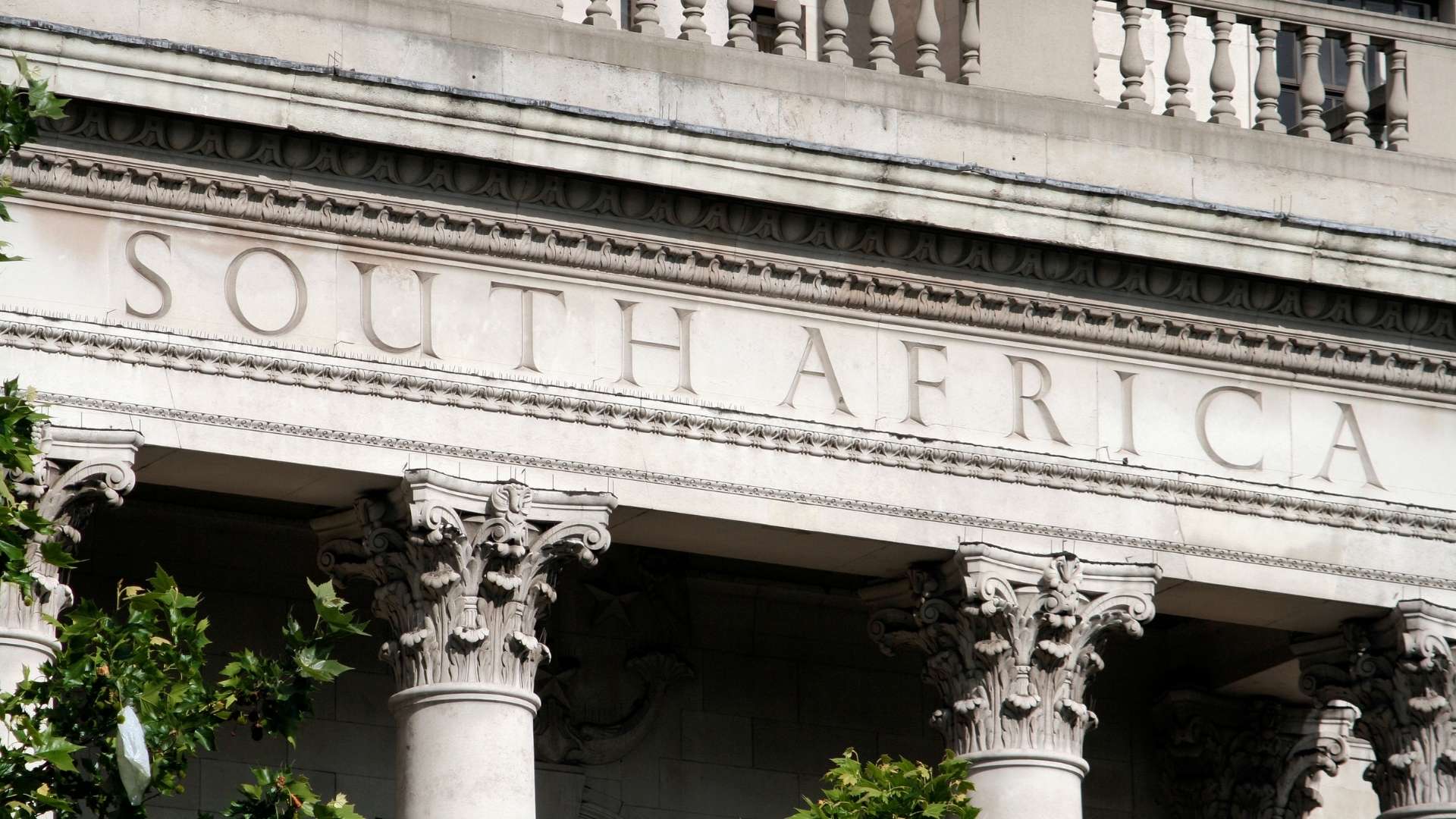
South African Government
South Africa is a country on the southernmost tip of the African continent, and the National Government of South Africa is comprised of Parliament, Cabinet and various Departments which carry out the functions as they are outlined in the Constitution and Legislation enforced by Parliament.
Advertised Jobs / Vacancies
Latest Government Job Vacancies
Frequently Asked Questions
If you have any questions with regards to finding a government job on this website, please read our answered questions:
Who is eligible to apply for a government job in South Africa?
Any South African citizen aged 18 or older may apply for a post in the public service. Non-citizens may only be appointed if no suitable South African citizen is available, and then only with the approval of the relevant authority. For posts in national or provincial departments, applicants must also hold the qualifications specified in the job advertisement — ranging from a Grade 12 certificate for entry-level posts to a relevant university degree for professional or management roles. Persons with disabilities are actively encouraged to apply and the public service has transformation targets that promote equitable representation across race, gender and disability.
What is the Z83 form and why is it required?
The Z83 is the official application form prescribed for employment in the South African public service. Its use is mandatory for all posts in national and provincial departments advertised through the DPSA. Since 1 January 2021, only the newest version of the form is accepted — older versions are automatically disqualified. The form must be fully completed and signed; incomplete forms will not be considered. It must be accompanied by a comprehensive CV, but certified copies of qualifications and ID are no longer required at application stage — only shortlisted candidates are asked to submit these documents before or on the day of the interview.
Where can I find advertised government vacancies?
Government vacancies are published through several official channels. The Department of Public Service and Administration (DPSA) releases a Public Service Vacancy Circular every week (except in December), which lists all advertised DPSA vacancies across national and provincial departments. This circular is available on the DPSA website and on www.gov.za. Individual department websites also post their own vacancies. Local government and municipal posts are advertised separately on municipal websites, local newspapers and platforms like this one. State-owned entity vacancies are advertised on the SOE’s own website and on general job portals.
How does the salary structure work in the public service?
Public service salaries are determined by the Public Service Co-ordinating Bargaining Council (PSCBC) and are structured along a graded salary scale. Each post is assigned a salary level from 1 (lowest) to 16 (Director-General). Salary levels 1–12 are on the Occupation Specific Dispensation (OSD) or general Public Service salary scales. Levels 13–16 fall under the Senior Management Service (SMS). Each level has a minimum and maximum notch, and employees may progress annually if performance is satisfactory. The overall wage bill is negotiated periodically between government and public sector unions. Salaries are published in the Government Gazette and in the estimates of national expenditure.
What employee benefits do government workers receive?
Public servants receive a range of benefits in addition to their basic salary. These include membership of the Government Employees Medical Scheme (GEMS), which provides subsidised medical aid; membership of the Government Employees Pension Fund (GEPF), one of the largest pension funds in Africa; housing allowances; a service bonus (13th cheque); and annual leave of between 22 and 30 working days depending on years of service. Senior managers receive a total cost-to-company package. Employees may also access bursaries and study assistance through their departments, as well as Employee Health and Wellness (EHW) programmes.
What is the difference between a national department, provincial department and municipality post?
South Africa’s government operates across three spheres. National departments (such as Home Affairs, Health and Defence) are responsible for policy and services at a countrywide level and are governed by the Public Service Act. Provincial departments deliver services — especially education, health and agriculture — within each of the nine provinces under the same Act. Municipal posts fall under local government, governed by the Municipal Systems Act and the Municipal Finance Management Act. Conditions of employment, salary structures and application processes differ between spheres: national and provincial posts use the Z83 form and DPSA circular process, while municipal and SOE vacancies follow their own recruitment procedures.
How long does the government recruitment process typically take?
Government recruitment is governed by strict legislative requirements, which means timelines are often longer than in the private sector. After the closing date for applications, shortlisting, interviews, competency assessments (required for SMS posts) and reference checks must all take place. The full process — from closing date to letter of appointment — typically takes between three and six months, and can take longer for senior posts or where a large number of applications are received. Applicants who have not been contacted within three months of the closing date may assume their application was unsuccessful. Departments are not obliged to fill advertised posts.
Are internships and learnerships available in government?
Yes. Most national and provincial departments run 12- to 24-month internship programmes aimed at graduates who have completed their qualifications but lack work experience. Interns receive a monthly stipend rather than a permanent salary. Learnerships combine structured workplace learning with a formal qualification registered on the National Qualifications Framework (NQF) and are open to both employed and unemployed learners. These programmes are advertised alongside permanent posts in the DPSA vacancy circular and on departmental websites. The Department of Employment and Labour’s Employment Services of South Africa (ESSA) also lists learnership and youth employment opportunities.
Can a person with a criminal record apply for a government post?
It depends on the nature of the post and the offence. All shortlisted candidates for public service posts are subject to a security clearance and a criminal record check. Certain offences — particularly those involving dishonesty, financial misconduct or violence — will disqualify a candidate for most government posts. Persons dismissed from the public service for misconduct, or who are listed on the Public Service Commission’s register of employees dismissed for financial misconduct, are also barred from re-employment. For SMS posts, a security vetting is mandatory. Applicants are advised to disclose any relevant information honestly; failure to do so is grounds for dismissal even after appointment.
What legislation governs employment in the public service?
Employment in the South African public service is governed by a range of legislation. The Public Service Act, 1994 (as amended) sets out the conditions of service for national and provincial employees. The Labour Relations Act, 1995 governs collective bargaining and dispute resolution through the PSCBC and sector bargaining councils. The Basic Conditions of Employment Act, 1997 sets minimum standards for leave, working hours and termination. The Employment Equity Act, 1998 requires departments to implement affirmative action and report on transformation. For local government employees, the South African Local Government Bargaining Council (SALGBC) administers labour relations. SOE employees are generally covered by the same legislation but may have additional conditions set out in their entity’s enabling statute.